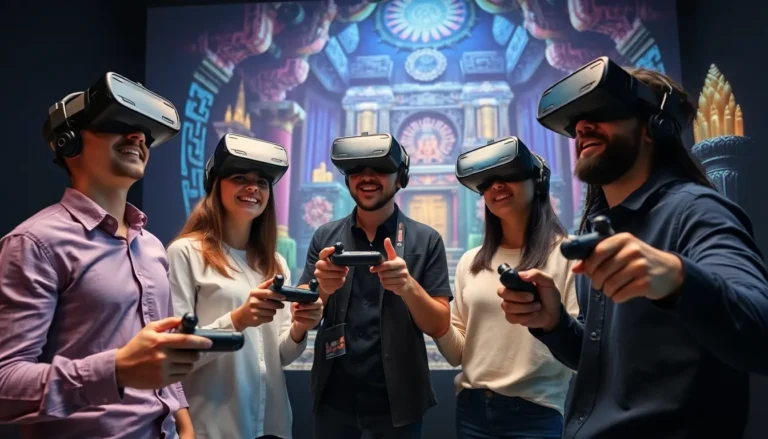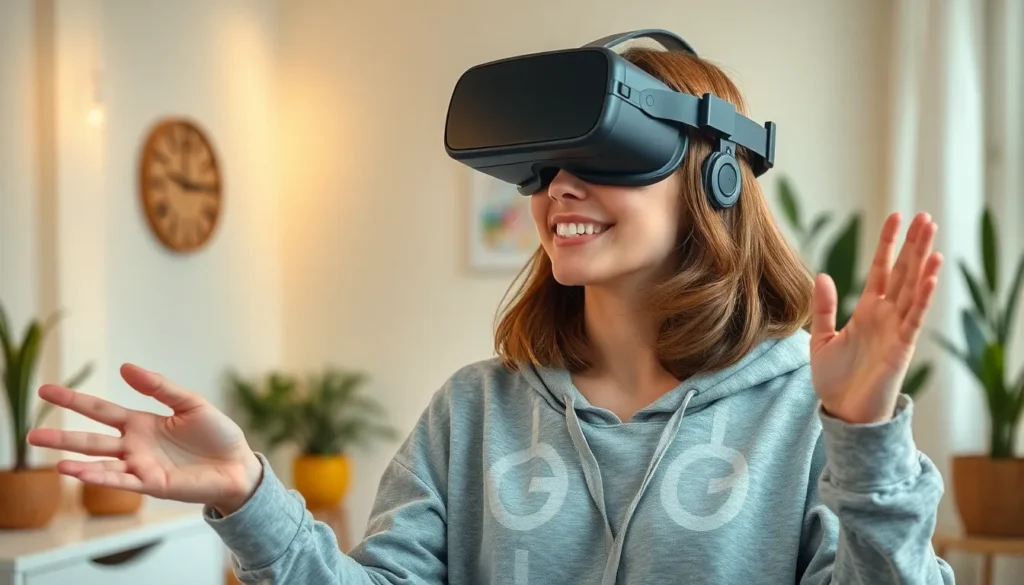
Imagine stepping into a world where anxiety melts away like ice cream on a sunny day. That’s the magic of virtual reality therapy. With the help of cutting-edge technology, therapists are now able to transport patients into immersive environments that challenge their fears and help them heal. It’s like having a superhero sidekick, but instead of capes, you get VR headsets.
Overview of VR for Therapy
Virtual reality (VR) therapy utilizes immersive technology to treat various mental health conditions. This method engages patients in simulated environments, allowing them to face fears in a controlled setting.
Research indicates that VR effectively reduces anxiety symptoms. A study by the Journal of Anxiety Disorders shows a significant decrease in fear responses in individuals using VR for exposure therapy. Patients experience enhanced emotional regulation by repeatedly confronting fears in VR scenarios.
Various applications exist within VR therapy. Specific therapies target phobias, such as heights or public speaking. Additional applications include treating PTSD and aiding in rehabilitation for individuals recovering from trauma.
Practitioners emphasize personalized experiences. Tailoring VR environments to individual needs maximizes therapeutic effectiveness. Assessments before treatment help determine the right VR context for each patient.
User feedback plays a crucial role in development. Participants often report feeling more comfortable discussing their emotions after experiencing VR therapy. Management of anxiety becomes more manageable when patients engage with technology that supports their therapeutic journey.
Research continues to evolve in this field. VR therapy’s impact on mental health is becoming more documented, showing promising results in clinical settings. Ongoing studies aim to explore long-term effects and optimal treatment protocols.
Overall, professionals recognize VR as a valuable tool in modern therapy practices. Integrating technology into mental health treatment highlights innovative approaches to addressing complex psychological challenges.
Benefits of VR for Therapy
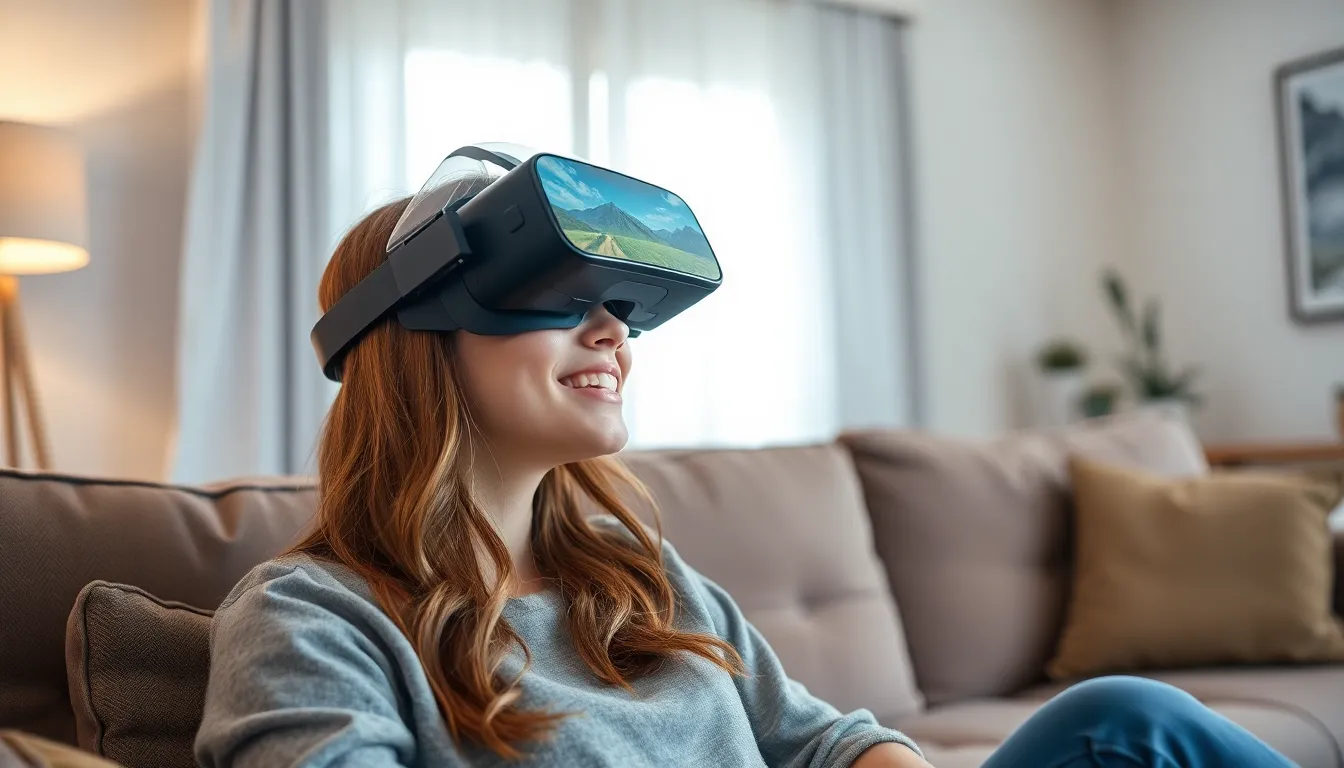
Virtual reality therapy offers numerous advantages, enhancing traditional therapeutic methods with immersive technology. Significant benefits include heightened engagement and improved accessibility for patients.
Enhanced Immersion and Engagement
Patients experience enhanced immersion through realistic simulations. Engaging environments trigger emotional responses, allowing individuals to confront fears in a controlled setting. Specific scenarios, such as flying or social situations, enable patients to practice coping strategies. Researchers found that 82% of participants engaged more fully in therapy sessions utilizing VR technology. As a result, individuals often report increased motivation to participate in their therapeutic journey.
Accessibility and Convenience
Accessibility becomes a crucial advantage with VR therapy. Individuals facing mobility challenges can experience therapy sessions from home or other comfortable environments. Convenience also extends to appointment scheduling, reducing travel time and associated stress. A study indicated that nearly 70% of users considered VR therapy more convenient than traditional methods. Patients appreciate the flexibility, allowing them to receive treatment at their own pace.
Applications of VR for Therapy
Virtual reality therapy offers several diverse applications that address various mental health conditions through immersive experiences.
Exposure Therapy
Exposure therapy benefits significantly from VR technology by allowing individuals to confront specific fears in controlled environments. VR immerses patients in simulations that replicate triggering scenarios, thereby enabling gradual desensitization. Research demonstrates that 82% of participants show enhanced engagement during these sessions. Patients often report feeling less anxious when exposure occurs in virtual settings compared to real-life situations. VR exposure therapy effectively treats phobias such as heights or flying and benefits those with social anxiety. Immediate feedback in a safe setting fosters an interactive therapeutic experience, promoting faster progress.
Cognitive Behavioral Therapy
Cognitive behavioral therapy (CBT) integrates well with virtual reality, enhancing traditional practices by providing interactive tools for patients. Virtual simulations allow individuals to practice coping strategies in real-time scenarios, reinforcing learned skills outside therapy sessions. Patients can engage in role-playing exercises that empower them to challenge negative thoughts while receiving immediate support. Studies indicate that participants experience a 70% increase in skill retention when using VR in CBT. By visually and experientially addressing cognitive distortions, VR augments therapists’ effectiveness in guiding clients through complex emotional landscapes.
Pain Management
VR shows great promise in pain management by distracting patients during medical procedures or chronic pain episodes. Immersive experiences shift attention from pain to engaging virtual environments, leading to reduced pain perception. Research confirms that nearly 70% of users report lower pain levels while engaging in VR activities. Patients undergoing rehabilitation frequently utilize VR to enhance their coping mechanisms. Games and simulations designed for pain management allow individuals to immerse themselves fully, which can enhance overall treatment experiences. Consequently, patients often find it easier to endure discomfort while remaining focused on enjoyable tasks.
Challenges and Limitations
Challenges exist within the realm of VR therapy, affecting its wider adoption and effectiveness.
Technological Barriers
Technological barriers sometimes hinder the implementation of VR therapy. High costs associated with VR equipment and software limit accessibility for many therapists and their patients. Compatibility issues arise when integrating VR with existing therapeutic practices. Limited availability of user-friendly content also poses a challenge, as not all patients can easily navigate the technology. Training for therapists in VR tools is crucial yet often insufficient, leading to inconsistent application of therapy. Reliability of hardware, such as headsets, also affects the overall experience, potentially disrupting sessions. Together, these factors can impact the quality of care delivered through VR methods.
Ethical Considerations
Ethical considerations present further challenges in VR therapy. Privacy concerns about data collection during VR sessions arise because patient information may be sensitive. Informed consent becomes vital, ensuring patients fully understand the technology and its implications. Additionally, potential desensitization to real-life situations may occur if patients rely too heavily on virtual environments. Managing the emotional responses elicited by immersive experiences is also critical, as sudden exposure may overwhelm some individuals. Balancing innovation with ethical practices ensures the safety and effectiveness of VR therapy for all users.
Future Directions
Exploration into the future of VR therapy shows potential for advanced integration with artificial intelligence. AI can analyze patient responses more accurately, allowing for real-time adjustments to therapeutic environments. Personalized treatments are likely to improve, making sessions more effective and tailored to individual needs.
Continued research on the effectiveness of VR is crucial. Studies emphasizing improvement in anxiety symptoms and overall mental health will provide valuable insights into best practices. Professionals could refine techniques based on empirical data, enhancing therapeutic outcomes.
Collaboration among tech companies and healthcare providers may lead to innovative tools and applications. Partnerships can develop specialized VR systems that address specific conditions. Expanding these collaborations fosters a more comprehensive approach to mental health treatment.
Investments in affordable VR technologies can enhance accessibility for patients. Lowering the costs associated with VR therapy equipment may encourage wider adoption. Additionally, increased user-friendly design can appeal to therapists comfortable with technology, not just tech experts.
Ethical frameworks must evolve alongside VR advancements. Establishing guidelines for patient privacy and informed consent is essential for maintaining trust. Addressing desensitization risks will also be critical as therapists implement VR experiences in treatment protocols.
Emerging trends in VR therapy may include more immersive experiences utilizing augmented reality. Incorporating real-world elements into VR environments offers unique therapeutic opportunities. These developments can cater to users’ diverse needs, enriching the therapeutic landscape significantly.
Overall, the future holds promise for VR therapy, with ongoing advancements poised to enhance its impact on mental health treatment and patient care.
VR therapy stands at the forefront of mental health treatment offering innovative solutions for patients facing anxiety and other conditions. Its ability to create immersive experiences allows individuals to confront fears in a controlled environment. As technology evolves the integration of AI could further enhance personalized treatment options making therapy more effective.
While challenges remain such as costs and ethical considerations the potential benefits of VR therapy are undeniable. With ongoing research and collaboration between tech and healthcare sectors the future looks bright for this transformative approach. As VR continues to evolve it may redefine how individuals approach mental health care unlocking new avenues for healing and growth.