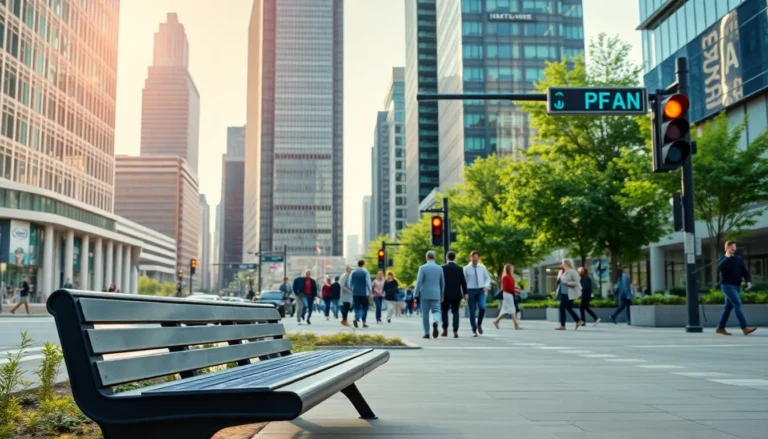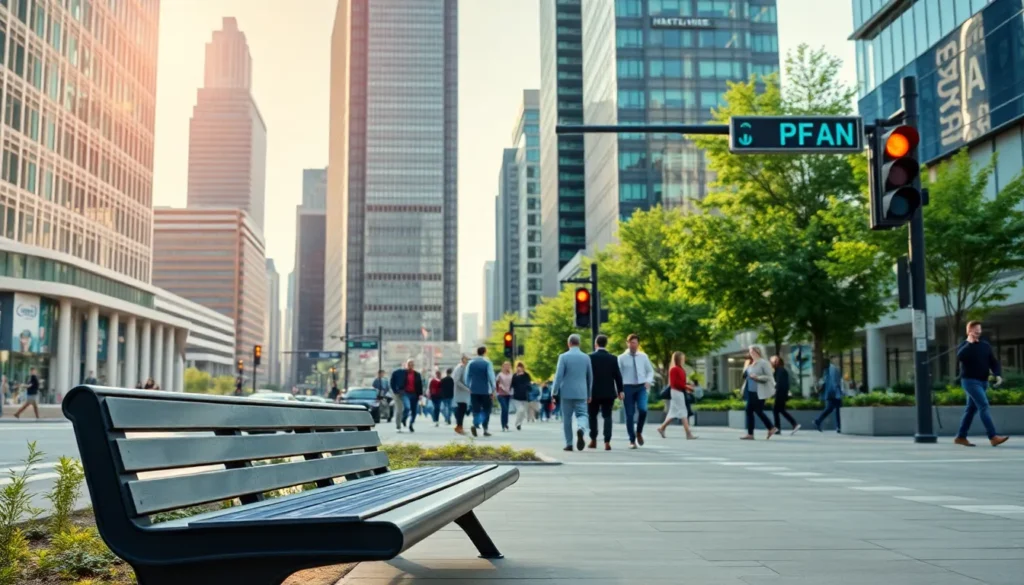
Imagine strolling through a bustling city, surrounded by sleek structures and innovative designs that make life not just easier, but a little more exciting. Urban hardware is not just about buildings and bridges, it’s about smart solutions and clever technologies that redefine urban living. So, buckle up as we explore why urban hardware is pivotal for modern cities. Spoiler alert: it’s more thrilling than a cat video.
What Is Urban Hardware?
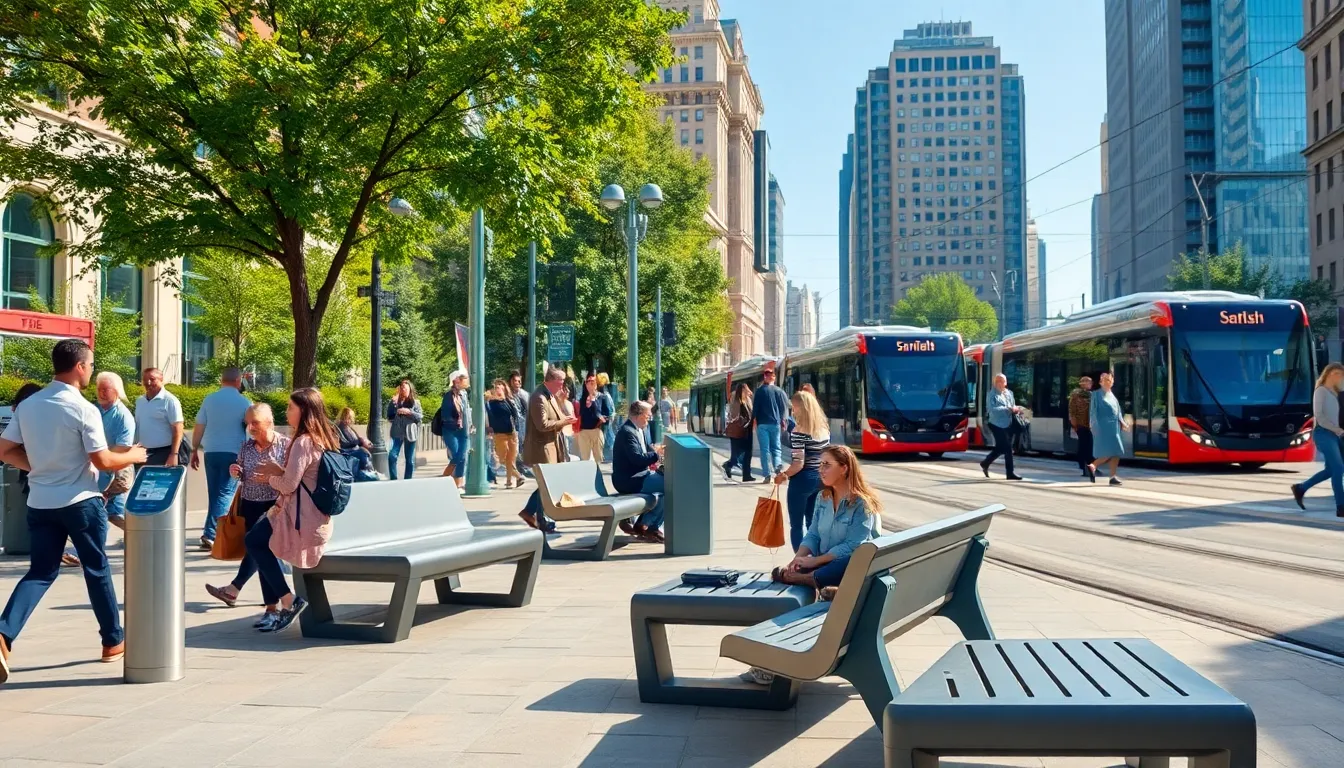
Urban hardware refers to the infrastructure and components that contribute to the functionality and aesthetics of urban spaces. Think of it as the ensemble cast in the play of city life. It encompasses everything from public transportation systems to smart street furniture like benches equipped with charging stations. In essence, urban hardware serves as the backbone of a vibrant city, allowing it to thrive in practical yet stylish ways.
The Importance of Urban Hardware in Modern Cities
The importance of urban hardware can’t be overstated. As cities grow and attract more inhabitants, the demand for efficient infrastructure skyrockets. Urban hardware ensures that essential services like waste management, public transportation, and Wi-Fi connectivity meet the needs of bustling city dwellers. Also, it enhances the overall quality of life, making urban centers more livable and enjoyable.
Statistically, cities equipped with innovative urban hardware tend to experience a boost in economic activity. Increased foot traffic can lead to more business for local shops and dining establishments. All of this creates a buzz that makes cities feel alive, lively, and inviting.
Types of Urban Hardware
Urban hardware can be broadly categorized into several types:
Innovative Examples of Urban Hardware
- Smart Benches: These outdoor seating solutions come with features like solar-powered USB charging ports and Wi-Fi hotspots. Perfect for that afternoon break while still being plugged into the digital world.
- Interactive Traffic Lights: These dynamic lights can change based on real-time traffic patterns, minimizing congestion and improving pedestrian safety. It’s like having a guardian angel for crosswalks.
- Green Infrastructure: Involves using natural systems like rain gardens to manage stormwater and improve air quality. Plus, they add to a city’s aesthetic and can turn a gray space into a green haven.
- Modular Urban Furniture: This flexible seating can be rearranged for different events or needs, ensuring that public spaces remain functional and adaptable to citizens’ evolving requirements.
Impact of Urban Hardware on Sustainability
Urban hardware can play a critical role in promoting sustainability. Many innovations focus on energy efficiency and reducing the carbon footprint. For instance, solar panels integrated into bus shelters help power LED lighting or charging stations.
The concept of “ecosystem services” comes into play here as well. Green roofs and urban trees not only beautify cities but also absorb CO2 and lower urban heat. Eventually, embracing urban hardware leads to less environmental impact while creating healthier living conditions. Cities become not just places to live but ecosystems where humanity and nature coexist more harmoniously.
Challenges in Implementing Urban Hardware Solutions
Even though the undeniable benefits, implementing urban hardware solutions comes with challenges. Funding is often a major roadblock: cities may struggle to allocate budgets for the newest technologies amid financial constraints.
Also, there’s also the issue of public acceptance. Residents may resist changes in their familiar surroundings. Community involvement is essential for successful implementation, ensuring that innovations meet local needs and desires. Balancing functional design with aesthetic appeal can be tricky, but it’s crucial for sustainable urban growth.
The Future of Urban Hardware
The future of urban hardware looks promising, driven by rapid technological advancements and growing urbanization. Smart cities are on the rise, where IoT (Internet of Things) devices seamlessly integrate into urban hardware, enhancing everything from public safety to transport efficiency.
Imagine a city that adjusts traffic flow in real-time or a park that gathers data on foot traffic to better design its pathways. The possibilities are boundless, and as cities continue to evolve, urban hardware will be at the forefront, helping shape the urban landscape of tomorrow.