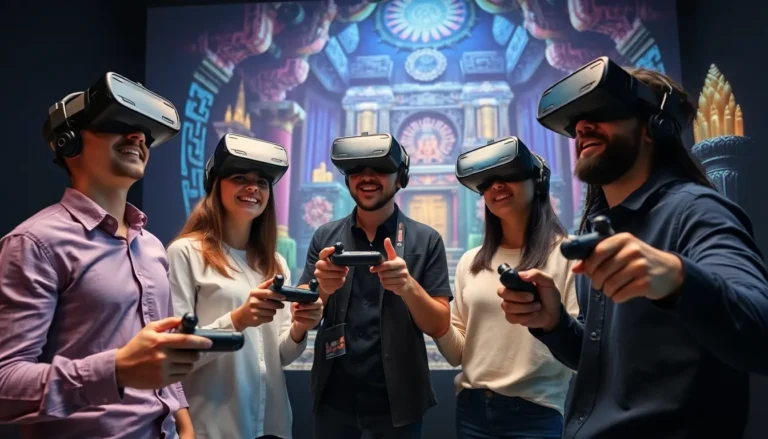
Imagine being trapped in a room, surrounded by clues, with only your wits and friends to help you escape. Now, picture that with a stunning virtual reality twist. Welcome to the world of escape room virtual reality. It’s where teamwork meets technology, and panic sets in only when you realize your time is almost up. With environments so immersive, players might just feel a little too much like they’re in an action movie. Let’s investigate into what virtual reality truly brings to the escape room experience, don’t worry, there won’t be any jump scares (or will there?).
What Is Virtual Reality in Escape Rooms?
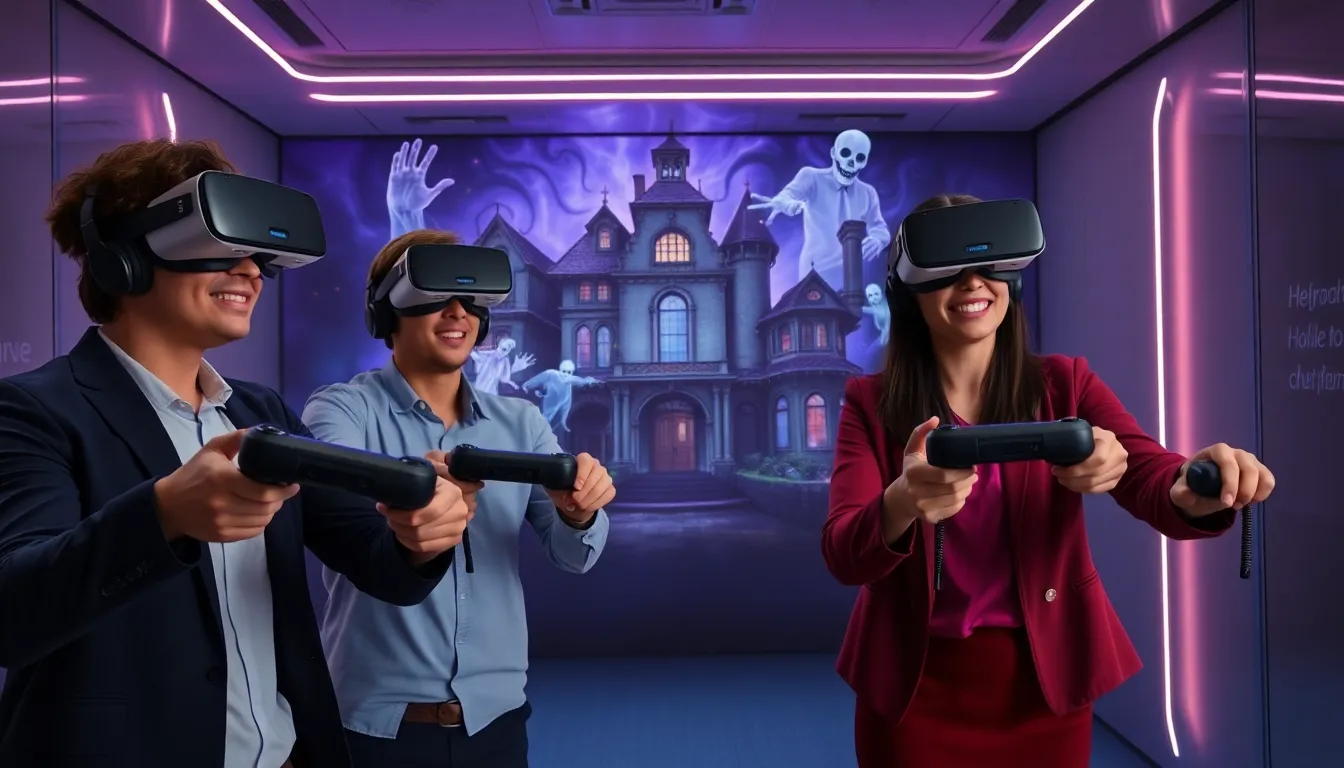
Virtual reality (VR) in escape rooms takes the classic genre and injects an exhilarating dose of high-tech innovation. So, what exactly is it? At its core, virtual reality creates a simulated environment that players can interact with using special headsets and controllers. Unlike traditional escape rooms, where physical clues are handled within tangible spaces, VR allows players to enter fantastical worlds that exist only in the digital realm.
In these settings, players don headsets that transport them to places like haunted mansions, alien planets, or intricate ancient temples. And with the help of sensory technology, sounds and sights become so interwoven that they create a believable experience. Mind you, players don’t just watch, they actively participate, using their heads, hands, and sometimes even their entire bodies to solve puzzles and interact with the environment.
How Virtual Reality Enhances the Escape Room Experience
When it comes to enhancing the escape room experience, virtual reality does not hold back. It offers a myriad of perks that elevate gameplay to a new level of excitement. First and foremost, the immersive visuals grab players’ attention immediately. With stunning graphics and elaborate settings, players can truly forget their surroundings.
Opting for VR also enhances teamwork. Participants often collaborate in ways that feel organic since communication becomes essential when solving puzzles in a dynamic environment. Also, the ability to explore expansive spaces without any physical limits means players can venture beyond the confines of typical escape room walls, discovering hidden surprises in the process.
Finally, the unique challenges presented in VR can stretch players’ creativity. With options to manipulate objects, use tools, and explore rooms that would be impossible in real life, the possibilities are endless. If creativity was a pizza, VR adds the pepperoni. It turns ordinary puzzles into exhilarating quests.
Popular Themes and Scenarios in Virtual Reality Escape Rooms
Virtual reality escape rooms have a treasure trove of themes that cater to every kind of adventurer. Popular choices range from the spine-chilling to the downright whimsical.
One common theme pits players against zombies in a post-apocalyptic setting. Imagine navigating a deserted city while racing against time to find medical supplies to save humanity. There’s also the noir detective theme, where participants must solve a murder mystery, combing through a dark alley for clues that lead to the killer.
For fans of fantasy, enchanted forests and dragon-guarded treasures provide thrilling scenarios. Alternatively, players can embrace technology itself in scenarios involving cyberpunk worlds where they complete missions against rogue AI.
Plus to these themes, seasonal events often get their virtual treatment, such as haunted houses for Halloween or heroic quests during the winter holidays. No matter the mood, there’s a virtual room that fits the bill.
The Technology Behind Virtual Reality Escape Rooms
So, what’s going on behind the scenes of these thrilling VR escape rooms? It’s all rooted in impressive technology that brings dreams to life. The heart of every VR room lies within its headsets, like the Oculus Quest or HTC Vive, which create realistic environments by using high-quality imagery and sound.
Tracking technology plays a crucial role too. Devices monitor players’ movements in real-time, allowing them to physically interact with the virtual world effortlessly. This means when players turn their heads, look around, or reach out to grab an object, the virtual spaces respond accordingly, just like magic.
Also, some escape rooms have adopted haptic feedback technology, which enhances the experience even further. By simulating touch, players can feel the weight of virtual objects or even the pulse of a heartbeat in a horror scenario, creating an uncanny realism. All this together makes for an adrenaline-infused experience like no other.
Pros and Cons of Virtual Reality Escape Rooms
Like any adventure, virtual reality escape rooms come with their own set of pros and cons. To start off positively, one undeniable advantage is accessibility. With VR, players can explore intricate environments without physical obstacles, making puzzles more engaging.
Another pro is replayability. Since VR experiences often feature evolving scenarios or different variations of a similar theme, players can return for new challenges. And let’s not forget about the social aspect, virtual rooms foster cooperative gameplay, building camaraderie as players strive toward a common goal.
But, there are some drawbacks. The cost of creating and accessing VR rooms can be steep, and not everyone has access to the technology required to enjoy these adventures at home. Also, some people may experience motion sickness while engaged in VR experiences, making it essential for participants to take their comfort into consideration.
Also, while immersive, VR can lack the tactile sensations of traditional escape rooms. People love cracking physical locks or manipulating real objects, and losing that tactile engagement can detract from the experience for some.
Tips for a Successful Virtual Reality Escape Room Experience
If you’re gearing up for a virtual reality escape room adventure, a little prep work goes a long way toward a successful escape. First, it’s crucial to communicate with your team. While this may sound obvious, clear communication dramatically improves gameplay as players bounce ideas off each other. Here, shouting across the room doesn’t help, everyone needs to contribute.
Next, practice patience. Virtual reality can involve a learning curve, and there might be moments of confusion at first. Embracing the challenge enhances the fun. Also, pay attention to clues thoroughly: they’re often carefully placed to engage players in creative ways.
Finally, remember to enjoy the experience. Sometimes it’s easy to get caught up in the race against the clock, but the laughter and adrenaline will make the adventure memorable. Plus, who knows when you’ll get to hurl imaginary objects at cruise ships or chat with holograms.
The Future of Virtual Reality in Escape Room Entertainment
The future of virtual reality in escape room entertainment looks incredibly bright, and exciting. As technology advances, expect to see even more visceral and immersive experiences. Improvements in graphics and sound will elevate the realism to unprecedented levels.
Also, expect an increase in hybrid experiences that blend physical and virtual elements. Imagine entering a tangible room that connects to a virtual space, enhancing storytelling while bridging the gap between digital and real-world experiences.
Also, with VR’s growing popularity, there may be an increase in mobile platforms, allowing players to engage in thrilling escape rooms from the comfort of their homes. This means getting together with friends for a home-bound adventure is only a headset away. As the landscape evolves, one thing is certain: players won’t run out of awe-inspiring adventures any time soon.