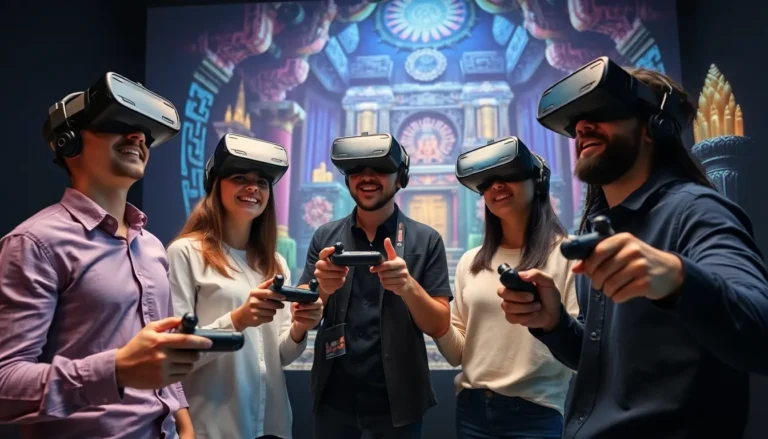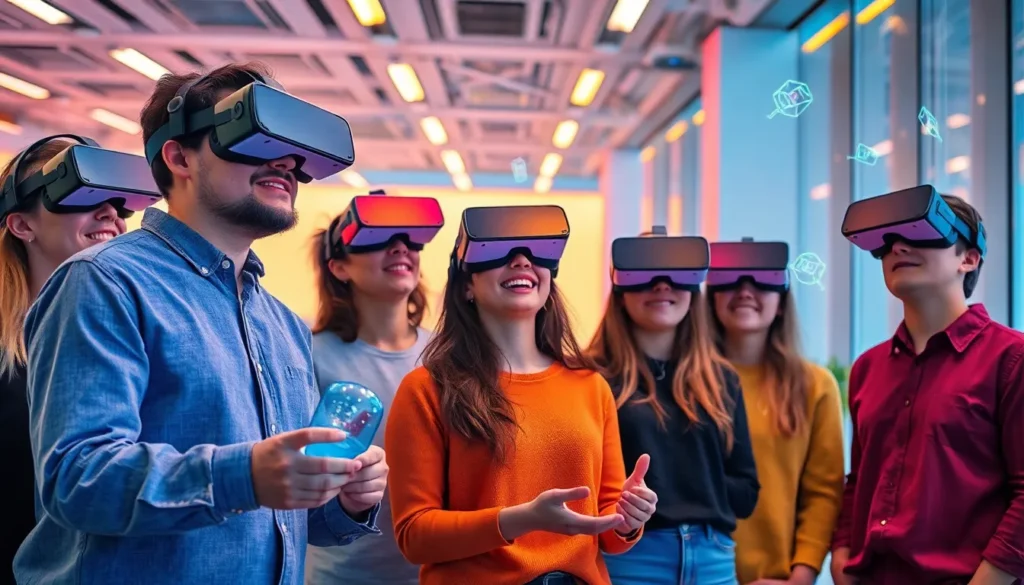
In a world where scrolling through endless feeds has become the norm, immersive experience platforms are shaking things up. These digital playgrounds transport users into interactive realms where engagement is no longer just a buzzword—it’s the main event. Imagine diving into a virtual universe that puts your favorite video games to shame, all while learning something new or connecting with others.
With technology evolving faster than a cat meme going viral, these platforms are redefining how people interact, learn, and even shop. Whether it’s VR adventures or AR enhancements, the possibilities are endless. So buckle up and get ready to explore how immersive experiences can turn the mundane into the extraordinary, making every moment feel like a blockbuster event. Who said learning can’t be fun?
Overview of Immersive Experience Platforms
Immersive experience platforms leverage advanced technology to engage users in interactive environments. Users can explore virtual worlds and participate in activities that blur the line between reality and digital experiences. This technology enhances learning by making it more engaging through virtual reality (VR) and augmented reality (AR) applications.
Platforms like VRChat, AltspaceVR, and Oculus Venues exemplify these immersive experiences. Each platform offers unique environments for social interaction, combining entertainment with education. Educational institutions utilize these platforms to create virtual classrooms, allowing students to participate in guided lessons or simulations that enhance understanding.
The integration of AR into shopping experiences has transformed consumer behavior. Imagine consumers visualizing products in their homes before making purchases. This capability increases confidence and reduces the likelihood of returns.
User engagement levels are significantly higher compared to traditional media formats. Gamification elements within these platforms encourage interaction, leading to increased user retention. Analysis shows that users spend approximately 50% more time on immersive platforms than on standard websites or applications.
Future developments in immersive experience platforms likely include advancements in AI and machine learning. These technologies can personalize user experiences based on individual preferences and behaviors. As a result, the platforms may evolve to offer tailored content, further enhancing user engagement.
Major industries, including healthcare and real estate, also explore applications of immersive technologies. Physicians can practice surgical procedures in VR environments, improving surgical skills without risking patient safety. Real estate agents offer virtual property tours, providing prospective buyers an immersive view of properties from anywhere in the world.
Key Features of Immersive Experience Platforms
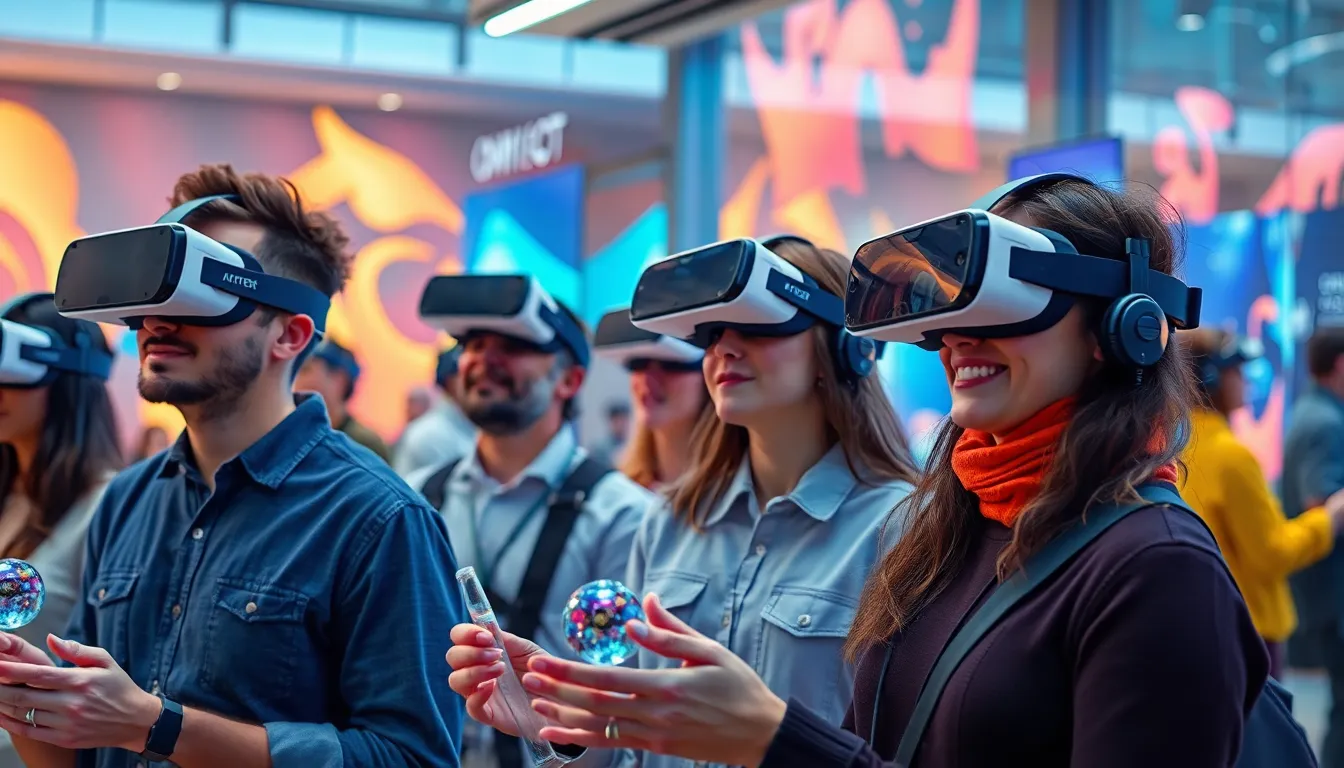
Immersive experience platforms incorporate unique features that enhance user engagement. Key aspects include virtual reality components, augmented reality integration, and user interaction capabilities.
Virtual Reality Components
Virtual reality components form the backbone of immersive experience platforms. These technologies utilize headsets to transport users into fully developed 3D environments. Users can walk through these spaces, interact with virtual objects, and participate in activities that mimic real-life experiences. Enhancing this experience, haptic feedback devices provide tactile sensations, making interactions feel more realistic. Platforms like Oculus and HTC Vive showcase advanced VR capabilities to engage users in diverse scenarios.
Augmented Reality Integration
Augmented reality integration adds layers of digital information to the real world. Users can visualize digital objects in their physical environment through smartphones or AR glasses. Retailers utilize this technology to let customers see how products fit in their homes before purchases. This process boosts consumer confidence and reduces return rates significantly. Applications in education allow students to interact with virtual elements overlaid on traditional learning materials, enriching the learning experience.
User Interaction Capabilities
User interaction capabilities define the level of engagement on immersive platforms. These platforms support multiplayer experiences, allowing users to connect and interact with others in real-time. Social spaces enable group activities and collaborative learning, fostering community building. Customizable avatars enhance personal expression, making interactions feel more authentic. Data indicates that users spend approximately 50% more time engaging in immersive environments compared to traditional media. Enhanced user engagement leads to deeper connections and a richer overall experience.
Popular Immersive Experience Platforms
Several immersive experience platforms have gained significant traction, influencing user engagement in unique ways. Each platform offers distinct features and benefits that cater to diverse audiences.
Platform A
VRChat serves as a leading immersive experience platform known for its social interaction features. Users can create personalized avatars and explore vast virtual worlds with others in real time. The platform supports user-generated content, allowing for endless creativity and engagement. Virtual reality headsets enhance user immersion, making experiences feel lifelike. With various games and interactive activities, VRChat blurs the line between reality and digital worlds, promoting deeper connections among users.
Platform B
AltspaceVR distinguishes itself as a platform focusing on community events and social gatherings. This platform hosts live performances, meetups, and workshops, fostering a sense of belonging among users. Interactive features such as customizable environments and voice chat make participation engaging and inclusive. Educational institutions utilize AltspaceVR for virtual classrooms, enhancing learning through lively discussions and presentations. AltspaceVR’s emphasis on real-time interaction creates an environment where users can form meaningful connections.
Platform C
Oculus Venues offers a unique option for experiencing live events in a virtual environment. Users can attend concerts, sports games, and movie screenings alongside friends or fellow fans from anywhere in the world. The integration of spatial audio enhances the atmosphere, making events feel more immersive. Oculus Venues supports cross-platform compatibility, allowing wider access to diverse audiences. This platform’s focus on real-time shared experiences sets it apart, changing how users participate in events and entertainment.
Use Cases of Immersive Experience Platforms
Immersive experience platforms serve various sectors, including education, entertainment, and marketing, bringing interactive elements into everyday activities.
Education
Educational institutions utilize immersive experience platforms to create engaging virtual classrooms. These environments enhance learning through interactive simulations and guided lessons. Students can collaborate and participate in real-time discussions, making education more dynamic. VR technologies allow medical students to practice surgical techniques in simulated operating rooms, while younger learners benefit from gamified learning experiences, fostering motivation and retention. By enhancing access to resources and creating tailored learning paths, immersive platforms lead to improved outcomes for diverse learner groups.
Entertainment
Entertainment environments are transformed by immersive experience platforms, offering users interactive encounters beyond traditional media formats. Platforms like VRChat enable friends to gather virtually and participate in games or concerts together. Spectators can attend live performances through Oculus Venues, enjoying a unique blend of spatial audio and visual immersion. Streaming services experiment with AR features, allowing users to engage with content in innovative ways. The blend of entertainment and technology creates memorable experiences, captivating audiences and encouraging longer engagement periods.
Marketing
Marketing strategies increasingly rely on immersive experience platforms to enhance brand engagement. Companies leverage augmented reality to allow customers to visualize products in their homes before making purchases, increasing confidence in buying decisions. Virtual showrooms invite potential customers to explore products interactively, driving higher conversion rates. Successful campaigns now incorporate gamified elements, encouraging user interaction and social sharing, expanding brand reach. By co-creating experiences with consumers, brands cultivate loyalty and build deeper connections that foster long-term engagement.
Conclusion
Immersive experience platforms represent a significant shift in how users interact with digital content. By blending entertainment with education and fostering community connections, these platforms are redefining engagement. As technology continues to advance, the potential for deeper personalization and innovative applications across various industries will only grow.
The shift towards immersive experiences not only enhances user satisfaction but also drives brand loyalty and encourages exploration in ways traditional media cannot. With the ongoing evolution of VR and AR technologies, the future promises even more exciting possibilities that will transform everyday activities into memorable adventures.