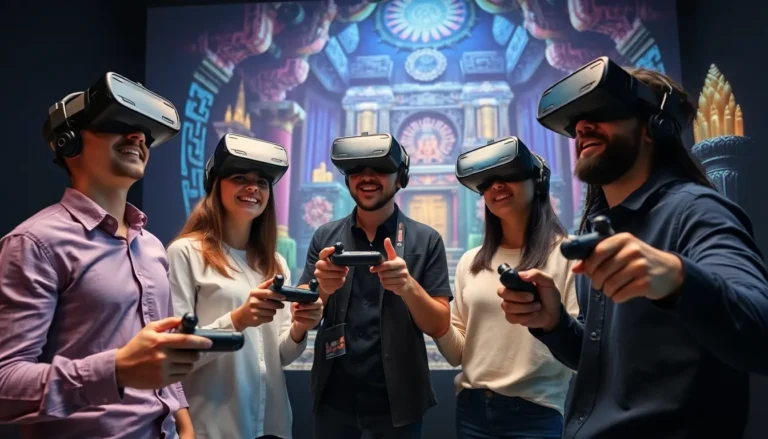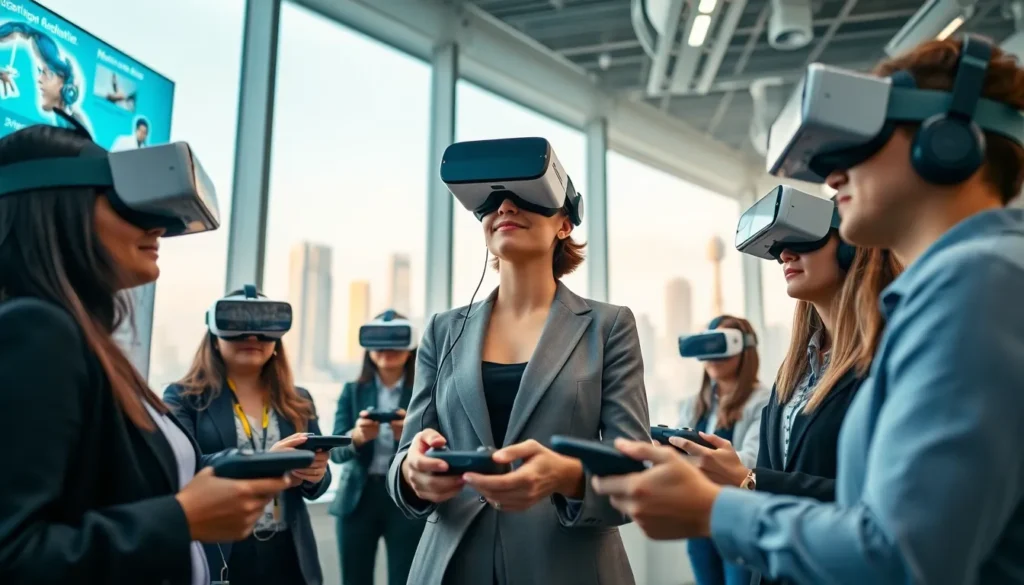
Imagine stepping into another world without ever leaving your living room. Virtual reality (VR) is not just for gaming anymore: it’s making waves across various industries, transforming how people learn, heal, and even shop. This article delves into the fascinating applications of VR, exploring its revolutionary impact on education, healthcare, entertainment, and more. Buckle up as we journey through the immersive realm of virtual reality. You might even find yourself questioning what you thought you knew about technology.
Understanding Virtual Reality Technology
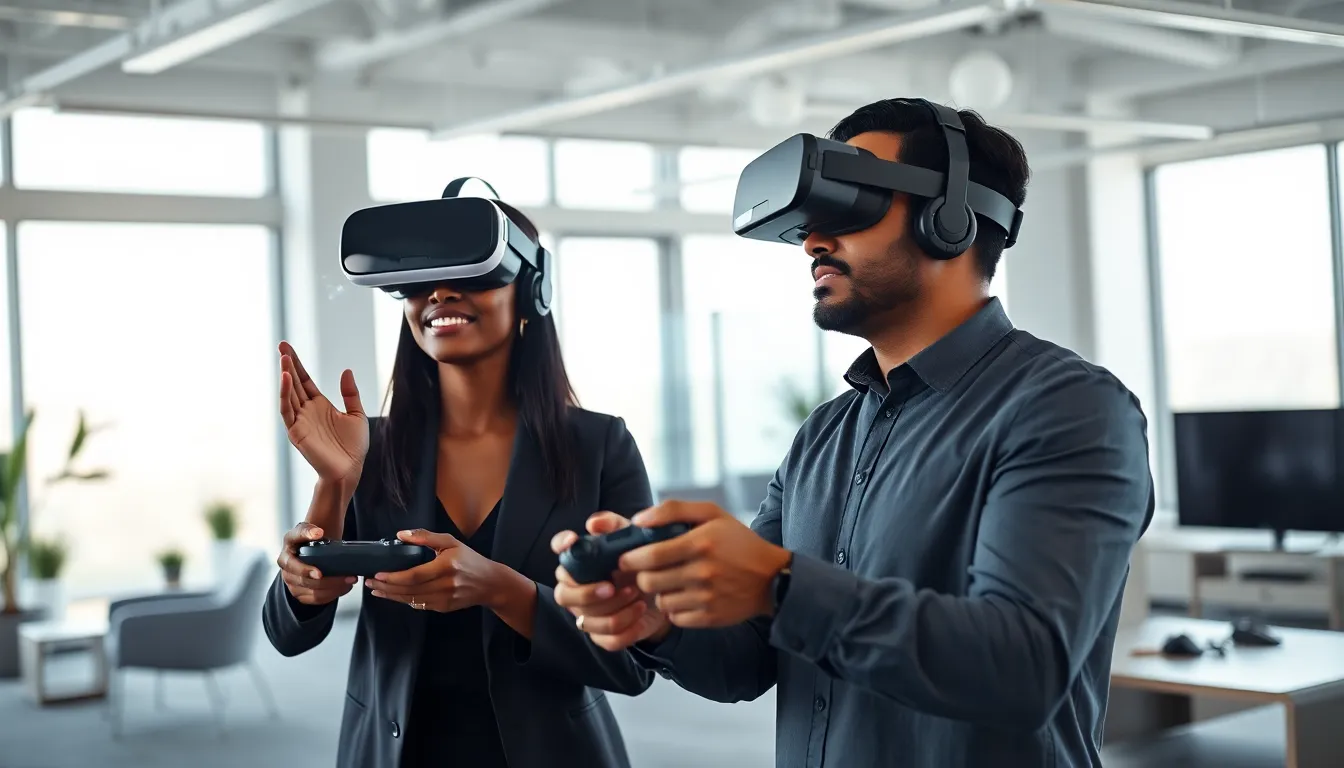
Virtual reality technology creates a simulated environment that users can interact with in a seemingly real or physical way, primarily through special equipment like VR headsets. This technology tricks the senses into believing they are in a different place, offering multisensory experiences that engage sight, sound, and sometimes even touch. The technology can be broken into three primary components: hardware, software, and content.
Hardware involves the VR headset, controllers, and sometimes additional gear like gloves or treadmills that allow users to really walk around their virtual environments. Software includes the programs and platforms that develop these immersive experiences, often employing complex algorithms to ensure smooth interactions. Content is what users experience, ranging from games and simulations to virtual tours and educational modules.
Together, these elements help create not just games, but full experiences that can enhance learning, simulate real-world environments, and even provide therapeutic benefits.
Types of Virtual Reality
There are three main types of virtual reality: non-immersive, semi-immersive, and fully immersive.
- Non-immersive VR provides a computer-generated environment viewed on a screen, allowing users to navigate using a mouse or keyboard. Think of it as a video game where you can only see the action through a screen.
- Semi-immersive VR adds elements like a VR headset but may still rely on some external screens. This kind can be great for training simulations where complete immersion isn’t necessary.
- Fully immersive VR, on the other hand, is where the magic happens. This experience uses high-tech headsets and controllers to transport users into a digital universe, allowing them to look around, interact, and feel truly present. This type of VR creates a palpable sense of presence that can mimic real life.
Education and Training
Education is one sector being revolutionized by virtual reality applications. Through immersive simulations, students can visualize complex subjects like anatomy or physics. For example, medical students can practice surgeries in a safe environment before ever touching a real patient. Likewise, VR technology can take students on virtual field trips to places like the surface of Mars or ancient Rome, offering experiences that traditional textbooks simply can’t provide.
Training programs in various fields, from aviation to military exercises, are also using VR to create realistic scenarios for practice without real-world risks. The ability to repeat scenarios until perfected can boost learners’ confidence and understanding. With VR, the adage “practice makes perfect” takes on a whole new meaning.
Healthcare Innovations
In healthcare, virtual reality is a game-changer. It is used for pain management, treatment of PTSD, and even rehabilitation. For patients dealing with chronic pain, VR can distract their minds from discomfort, creating an engaging environment that helps ease suffering.
Therapists are employing VR to help individuals confront their fears in controlled settings, allowing them to gradually gain exposure to anxiety-inducing situations. Also, rehabilitation programs use VR to boost motivation. Patients recover from strokes or injuries while engaged in gamified environments, making the arduous process feel more like play than therapy.
Entertainment and Gaming
Perhaps the most recognized application of virtual reality is in entertainment and gaming. VR gaming is not just a trend: it represents a significant shift in how people engage with digital content. Players can physically put themselves into their favorite games, slashing enemies with a sword or racing through fantasy lands as if they were really there.
But it’s not limited to hardcore gaming. VR is also transforming how movies and interactive storytelling are experienced. Imagine watching a film where you can look around and even interact with the environment. The boundaries between viewer and participant are blurring, leading to uniquely interactive experiences that captivate audiences in unprecedented ways.
Real Estate and Architecture
The real estate industry is leveraging virtual reality to revolutionize property viewing. Potential buyers can tour homes without stepping inside, experiencing every room in 3D. Real estate agents employ VR during listing presentations, allowing clients to visualize their future home or office space before construction even begins.
Architects also benefit significantly from VR applications. Instead of relying on static blueprints or digital rendering, they can create fully immersive walkthroughs of their designs, allowing clients to experience spaces as if they already exist. This level of engagement can streamline the design approval process, ensuring that client feedback is based on fully experienced environments.
Future Trends in Virtual Reality Applications
The future of virtual reality applications looks incredibly promising. Emerging technologies such as haptic feedback, which allows users to ‘feel’ virtual objects, are set to deepen the immersive experience even further. Imagine attending a concert where you could feel the vibrations of the music or touch a digital object that feels as real as it looks.
Also, advancements in AI and machine learning could enable VR environments to adapt based on user behavior, creating personalized experiences. From fitness apps that take you hiking in the Swiss Alps to interactive history lessons that change based on your inquiries, the potential for unique, tailored experiences is nearly limitless.