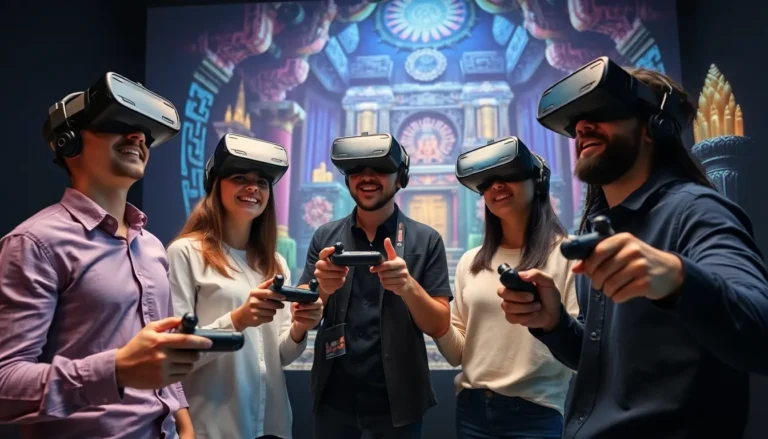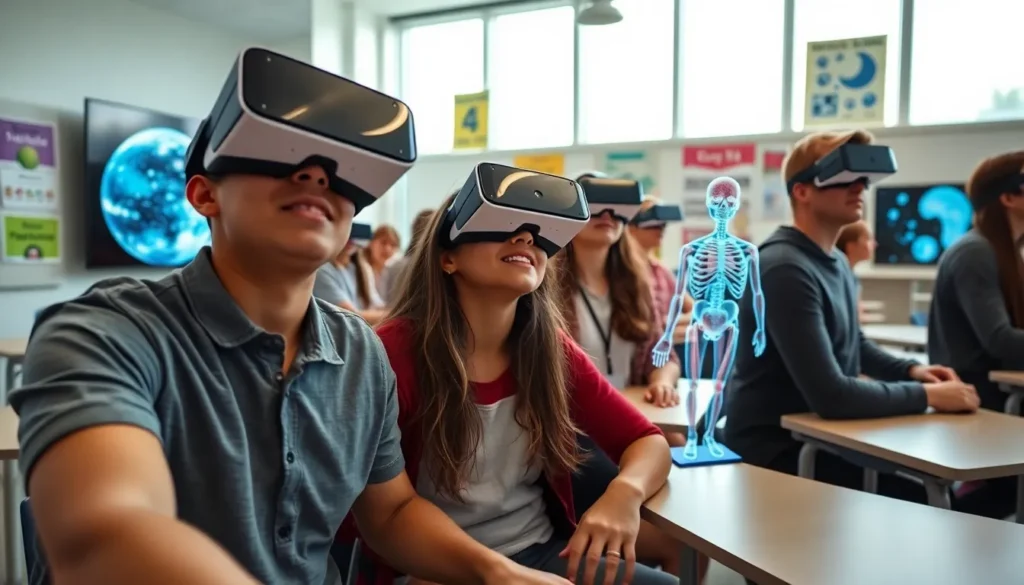
Imagine sitting in a classroom where the walls melt away to reveal a bustling cityscape or a serene forest scene. Welcome to the world of virtual reality (VR) learning, where education transcends traditional boundaries. This immersive experience offers far more than just eye candy, it’s reshaping how knowledge is consumed and retained. In this text, we’ll explore the fantastic realm of VR in education, its myriad benefits, the exciting applications, the hurdles that accompany it, and what the future holds for this innovative learning tool.
Overview of Virtual Reality Learning
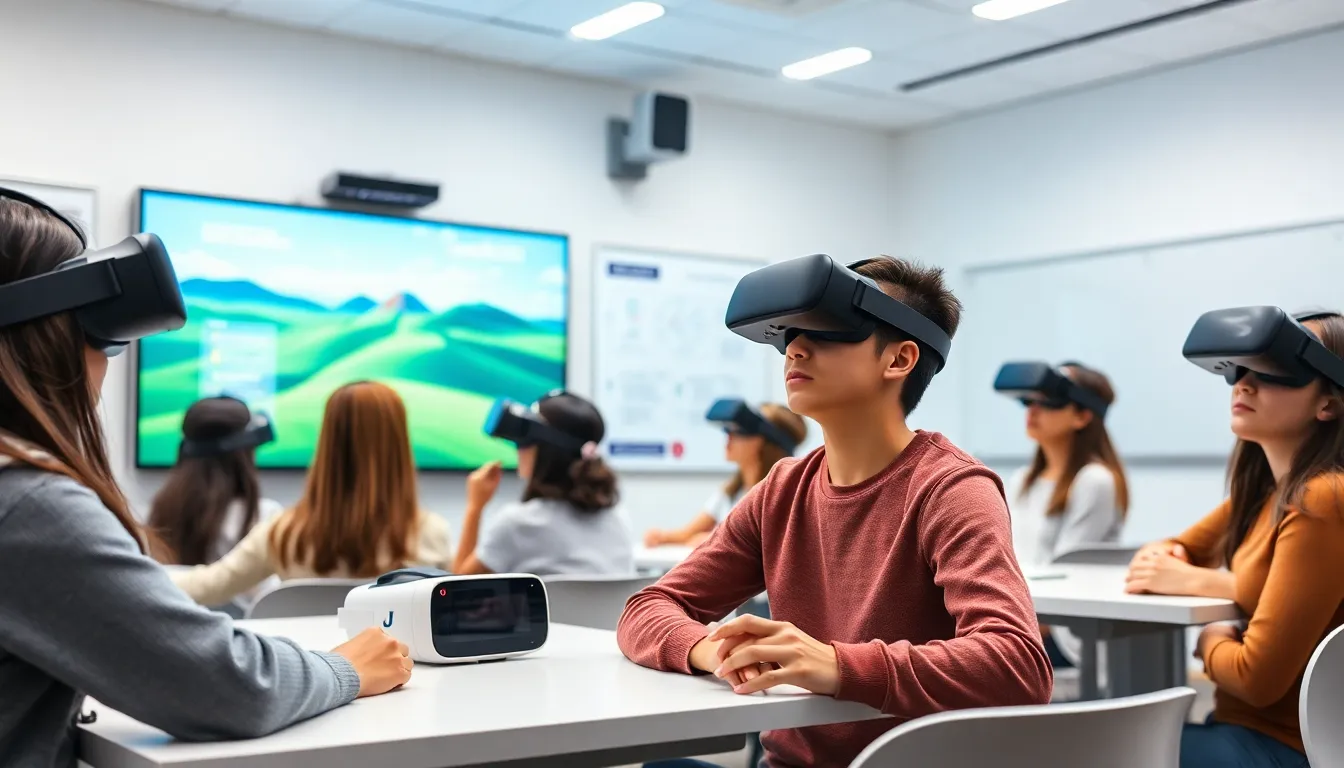
Virtual reality learning refers to the use of VR technology to create immersive educational experiences. By simulating real-world environments and scenarios, educators can engage students more deeply than typical teaching methods. VR allows learners to interact with digital content, making abstract concepts more tangible and improving retention rates. The technology has evolved dramatically in recent years: devices are now more affordable and accessible, making VR learning a viable option for a wide range of educational institutions.
Benefits of Virtual Reality in Education
The advantages of integrating virtual reality into education are extensive. First and foremost, it enhances engagement. Studies indicate that students are more likely to remain focused when learning through VR due to its interactive nature. Secondly, the hands-on experiences VR offers foster a deeper understanding of complex subjects. By engaging multiple senses, learners can grasp concepts more efficiently.
Also, VR can cater to different learning styles. Visual learners benefit from vivid graphics, while kinesthetic learners thrive in interactive environments. Another significant advantage is the ability to simulate dangerous or expensive scenarios safely, providing students with essential experience without the risk.
Finally, VR learning promotes collaboration. Students can interact with peers in a shared virtual space, working together on projects or problem-solving, so enhancing their social skills in a controlled environment.
Applications of Virtual Reality Learning
The applications of VR in education are burgeoning across various fields. In science classes, students can explore the human body at a cellular level or journey through the cosmos, offering insights that traditional methods simply can’t provide. History lessons become interactive time travels where students can witness historical events first-hand.
In vocational training, industries such as healthcare and aviation benefit immensely. Medical students can practice surgeries in a risk-free setting, while pilots can navigate flight simulations that mimic real-life challenges without leaving the ground.
Besides, language learners can immerse themselves in simulated environments that speak their target language, allowing for practical application of their skills in real-world contexts.
Challenges and Considerations
Even though its potential, virtual reality learning does come with its challenges. One of the primary concerns is the cost of technology. Although prices have dropped, outfitting a classroom with VR headsets and ensuring proper software can still strain budgets, especially in underfunded institutions.
Also, not all educators may be prepared or trained to carry out VR into their curriculums effectively. Proper training is essential to maximize the technology’s benefits. Also, ensuring all students feel comfortable using VR is crucial, as some may experience motion sickness or discomfort with immersive experiences.
Finally, data privacy and security are paramount. As VR platforms often collect user data, educational institutions must navigate the ethical implications of safeguarding students’ information.
The Future of Virtual Reality Learning
The prospects for virtual reality learning are exceptionally promising. Advances in technology will likely lead to even more refined and affordable VR experiences. Enhanced graphics, improved accessibility, and more intuitive user interfaces will make virtual reality an integral part of classrooms worldwide.
Besides, as educational systems evolve, integrating VR curricula will likely become standard. Partnerships between tech companies and educational institutions could spur innovations that further enrich learning experiences. Imagine a future where virtual reality becomes a cornerstone of teaching, allowing students to explore everything from molecular biology to ancient civilizations right from their desks.