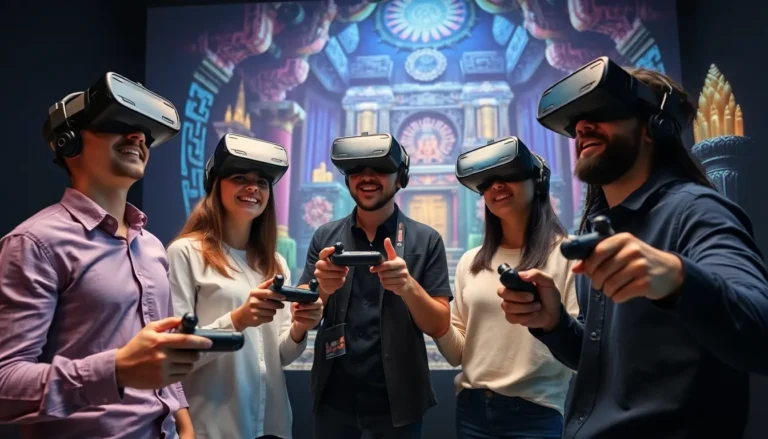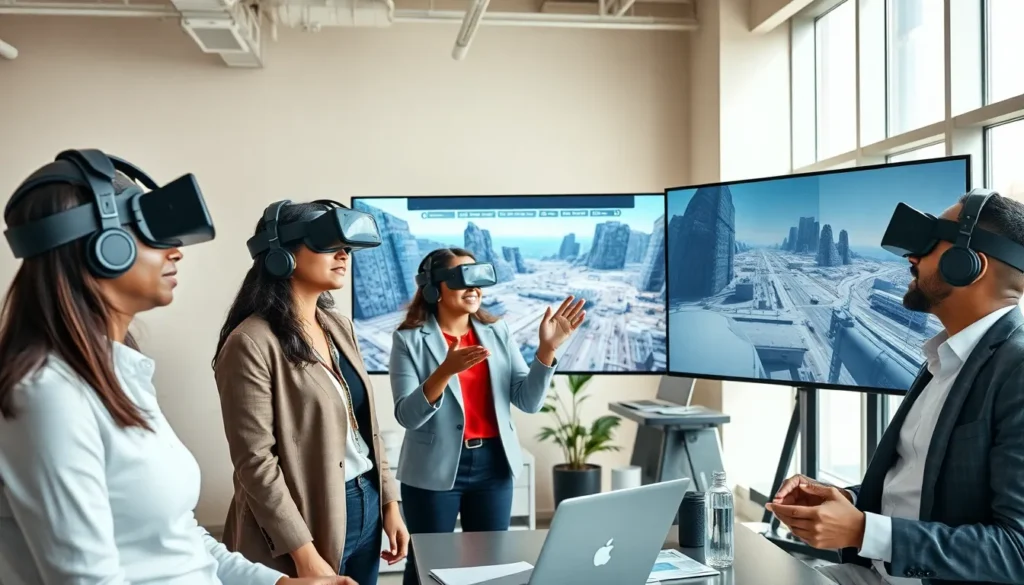
Virtual reality production has come a long way, transforming the way we experience digital content. Imagine stepping into a world where you can fight dragons, attend concerts, or even take a virtual walk through a museum, all from your living room. It sounds like sci-fi, but it’s the reality we live in. In this text, we’ll dive deep into the fascinating realm of virtual reality production, exploring its evolution, applications across various industries, the challenges it faces, and trends that are set to shape its future.
Understanding Virtual Reality Production
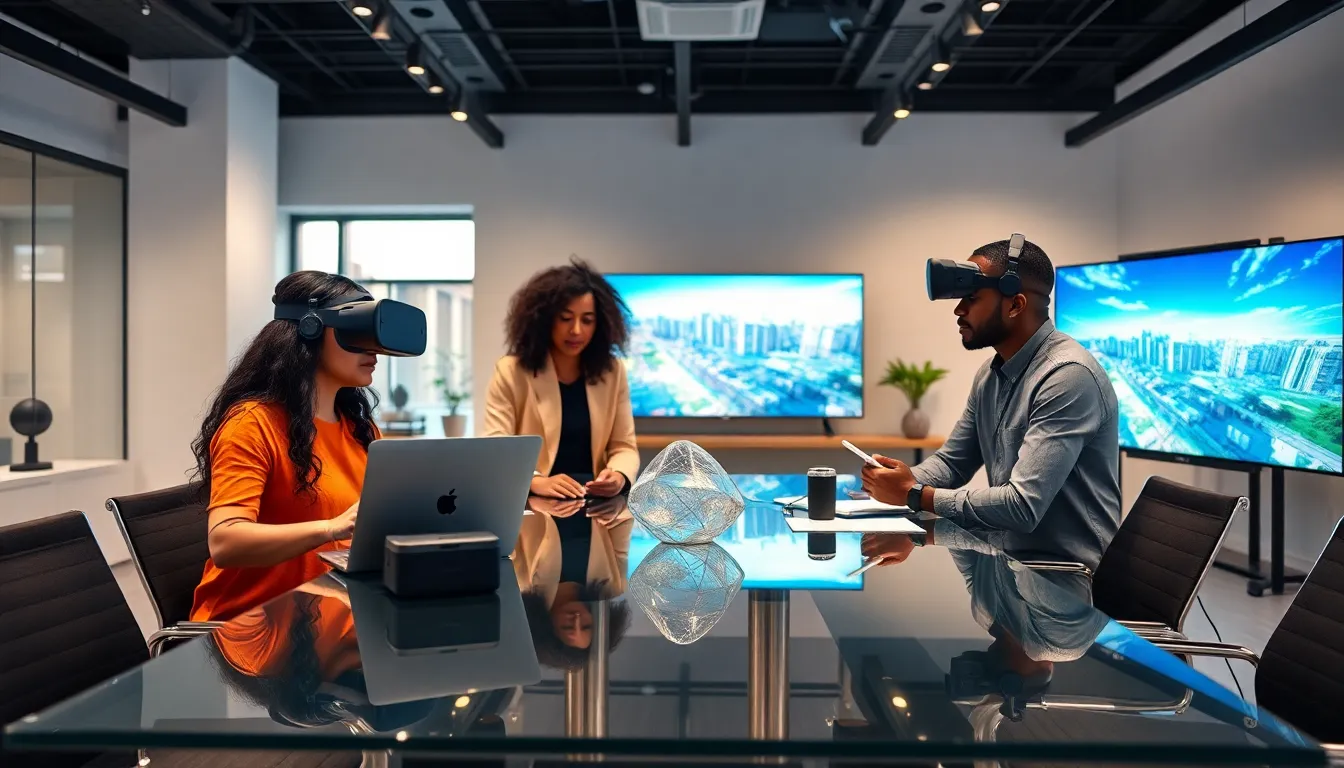
To grasp the significance of virtual reality (VR) production, one must first recognize its intricate evolution.
The Evolution of Virtual Reality Technology
VR isn’t a recent phenomenon: its roots can be traced back to the 1960s. The “Sensorama” and later, the “Sword of Damocles,” were primitive busts but laid the foundation for today’s impressive headsets. Fast forward to the 21st century, and we see technology intertwining our lives with thrilling experiences. The latest headsets like the Oculus Rift and HTC Vive are not just tools: they’re gateways into fully immersive worlds.
Key Components of VR Production
Creating a successful VR experience isn’t just about fancy gadgets. It entails combining state-of-the-art software, 3D modeling, and a depth of storytelling. Artists and developers work closely to ensure the environments are interactive and visually stunning. Sound design also plays a critical role: after all, who wouldn’t jump at a virtual bear growl behind them? It’s essential for VR production to engage multiple senses, transforming an idea into an unforgettable experience.
Applications of Virtual Reality in Various Industries
Virtual reality isn’t confined to gaming: its utility has expanded across numerous sectors.
Film and Entertainment
The film industry has adopted VR technology to immerse audiences in thrilling plots. Imagine wearing a headset and experiencing a movie from a character’s perspective. Some filmmakers use VR to craft interactive narratives, enabling viewers to make choices that affect the story. This can lead to unforgettable cinematic experiences that traditional films can only dream of.
Education and Training
VR’s impact on education is nothing short of revolutionary. Students can take virtual field trips to historical sites or conduct chemistry experiments in a safe environment. For training purposes, companies use VR simulations to prepare employees for real-life scenarios, such as medical procedures or emergency evacuations. This hands-on approach enhances learning and retention significantly.
Healthcare and Therapy
In healthcare, VR therapy is showing promising results for various conditions, from PTSD to phobias. Patients can confront their fears in controlled environments, drastically reducing their anxiety levels. Surgeons are also benefiting, as VR allows them to practice intricate procedures on lifelike simulations, honing their skills before operating on actual patients.
Challenges in Virtual Reality Production
Even though its breathtaking possibilities, virtual reality production isn’t without challenges.
Technical Limitations
Technical constraints often hamper the potential of VR. High-quality visuals demand substantial processing power, and not all hardware can keep up. Compatibility issues arise as well, with different standards emerging in the VR landscape making it challenging for creators to deliver a unified experience.
Creative Challenges
On the creative side, crafting a cohesive narrative in a 3D space is no easy feat. Filmmakers and developers must consider how users will interact with their environments. Unlike traditional storytelling, where the audience is passive, VR requires an engaging, interactive narrative that guides users yet allows freedom of exploration.
Future Trends in Virtual Reality Production
The future of virtual reality production holds exciting prospects.
Emerging Technologies and Tools
The integration of emerging technologies will refine how VR experiences are created. For instance, 5G technology promises to boost streaming capabilities, reducing lag and enhancing user experiences. Also, advanced haptic feedback devices will allow users to feel sensations, creating a truly immersive environment.
The Role of Artificial Intelligence
Artificial intelligence is poised to change the game further. AI can help adapt VR experiences based on user behavior, making them more personalized and engaging. Imagine a virtual assistant that understands your preferences, providing tailored experiences that resonate with you. It’s about making virtual worlds feel genuinely alive.