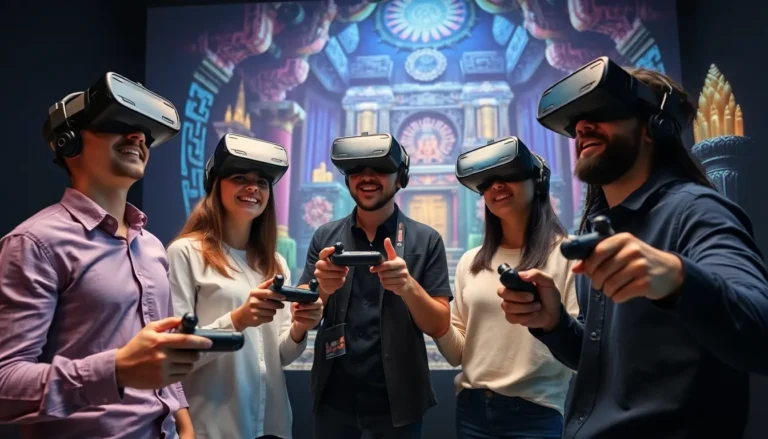
When people think of virtual reality, they might picture gamers slaying dragons in their living rooms. But the truth is a bit more profound than heroic quests. Virtual reality solutions are revolutionizing industries, creating dynamic environments that blend the digital and physical worlds into a seamless experience. Yes, you read that right. From healthcare to education, VR isn’t just for gaming: it’s transforming how we interact with the world. Ready to embark on a virtual journey that might just blow your mind? Let’s immerse.
Understanding Virtual Reality Technology
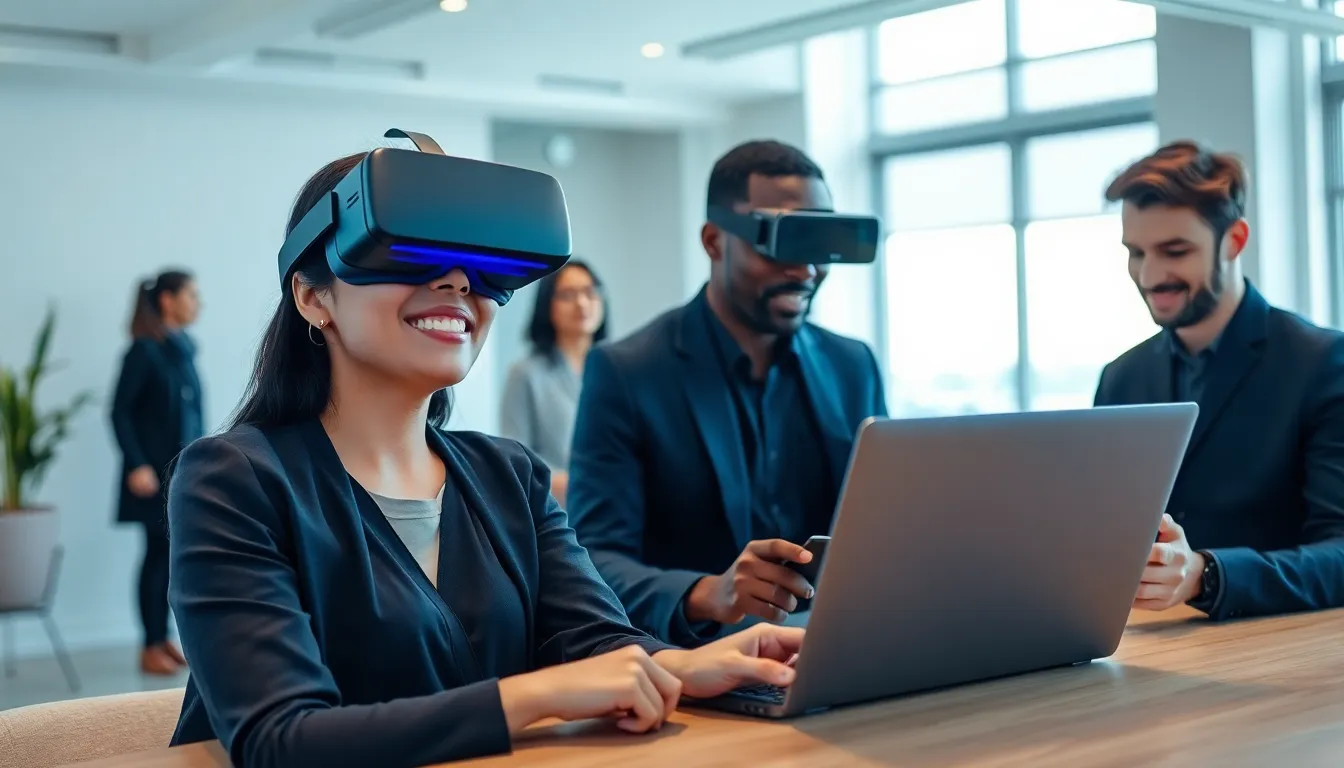
Virtual reality technology is all about immersing users in a computer-generated environment that feels as real as the world around them. To achieve this, it uses a combination of hardware and software, including VR headsets, sensors, and powerful computers. By tracking a user’s movements and adjusting the visuals accordingly, the technology creates a truly immersive experience.
Imagine putting on a headset and suddenly being transported to a breathtaking mountain landscape. You can look around, reach out your hand, and feel as if you’re really there, thanks to advanced motion tracking capabilities.
As technology evolves, VR becomes more accessible and user-friendly. The rise of stand-alone headsets significantly reduces the need for complicated setups. Now, one can simply don a headset, and voila. Adventure awaits.
Applications of Virtual Reality Solutions
The applications of virtual reality solutions are vast and varied, showcasing its adaptability across multiple industries. In healthcare, for instance, VR is being used for immersive medical training. Trainees can practice complex procedures in a risk-free environment, honing their skills without harming patients. Besides, VR therapy is gaining traction, helping patients confront phobias and PTSD through controlled exposure in safe virtual settings.
Education is another domain that has embraced virtual reality. Students can embark on virtual field trips, exploring ancient civilizations or the depths of the ocean. With VR, learning becomes an adventure, stirring curiosity in ways traditional methods cannot.
Architecture and real estate also benefit from this technology. Virtual walkthroughs allow potential buyers or clients to explore properties without ever stepping inside. It’s an innovative way to visualize spaces, making the buying process more efficient.
Benefits of Virtual Reality Solutions
The benefits of virtual reality solutions are impressive and far-reaching. One of the most significant advantages is enhanced engagement. Unlike traditional forms of media, VR immerses users, capturing their attention and holding it longer.
Also, virtual reality can help experiential learning. Instead of just reading about historical events, learners can step into the shoes of individuals from the past. This firsthand experience solidifies their understanding and retention of information, making it not only fun but impactful.
Businesses are also reaping rewards from VR technology. Increased productivity and efficiency have been reported in many sectors. With VR, employees can train more effectively, leading to faster onboarding processes and better overall performance.
Using VR solutions can foster collaboration as well. Teams spread across different locations can come together in a virtual space, enhancing communication and decision-making.
Challenges in Implementing Virtual Reality Solutions
Even though the many benefits, implementing virtual reality solutions isn’t without its hurdles. One key challenge lies in the cost of technology. High-quality VR systems often come with a hefty price tag, making it a significant investment for many businesses.
Future Trends in Virtual Reality Solutions
Looking ahead, the future trends in virtual reality solutions promise even more exciting developments. One trend gaining traction is the integration of artificial intelligence with VR. By combining these two technologies, experiences can become even more personalized. Imagine VR environments that adapt to individual preferences and behaviors, creating a truly tailored experience.